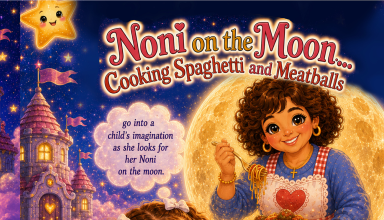
As a parent, I’ve learned that children are always listening, even when we think they’re busy doing something else. They watch how we speak to people. They notice who shows up when someone needs help. They remember the hugs, the kindness, the laughter, and even the little things we barely think about ourselves. The challenge, of course, is that teaching children important values isn’t always as simple as sitting them down and giving a lesson. If you’ve ever tried explaining a life lesson to a toddler, you probably know exactly what I mean. You might be talking about kindness while they’re busy wondering if dinosaurs would enjoy macaroni and cheese. This is one of the reasons I’ve always loved storybooks. Stories have a wonderful way of teaching important lessons without feeling like lessons at all. Children become invested in the characters, the adventures, and the emotions. Before they realize it, they’re learning about love, family, friendship, empathy, and connection through the people they meet on the page.
Stories Speak the Language of Children
Children understand stories long before they understand lectures. If I tell a child, “Family is important,” they might nod and move on. But if they read a story about a grandmother who cooks special meals, a parent who comforts a child, or friends who help one another through an adventure, the message suddenly feels real.
Stories allow children to experience emotions safely. They can see characters solve problems, care for one another, and work through challenges together. Those experiences help children develop their own understanding of relationships. I think that’s why so many of us still remember our favorite books from childhood. We may not remember every detail of the plot, but we remember how those stories made us feel.
Love Often Lives in the Little Things
When people think about love, they often imagine big moments. But in real life, love is usually found in small everyday actions.
- It’s a parent reading one more bedtime story when they’re already tired.
- It’s a grandparent remembering your favorite meal.
- It’s someone holding your hand when you’re nervous.
- It’s a friend saving you a seat at lunch.
Children notice these moments, and storybooks help shine a light on them.
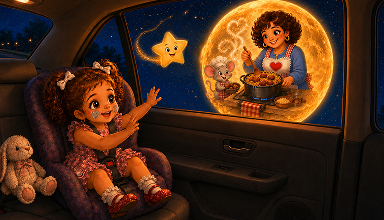
One thing I wanted to capture in Noni On the Moon was the idea that love doesn’t always need grand speeches or dramatic gestures. Sometimes love is simply a grandmother making spaghetti and meatballs for the people she cares about. Food, laughter, and time spent together often say more than words ever could.
Why Family Stories Matter
Every family has stories.
Some are passed down for generations. Others are created in unexpected moments and become treasured memories over time. In my own experience, some of the stories my children loved most weren’t found in books at all. They started as silly conversations during car rides, bedtime chats, or family gatherings. Somehow, those simple moments became part of our family’s history.
Family-centered storybooks help children appreciate those connections. They show young readers that families come in many forms, but what matters most is the love and support shared between people.
Grandparents, parents, siblings, cousins, and even family friends all help shape a child’s world. When children see those relationships represented in stories, it helps them better understand and appreciate the people in their own lives.
Friendship Is One of Life’s Greatest Gifts
Let’s be honest—making friends can be complicated at any age. Children are still learning how to share, take turns, communicate, and understand other people’s feelings. Adults aren’t always perfect at those things either, if we’re being honest. That’s why stories about friendship are so valuable.
They give children examples of kindness, cooperation, patience, and forgiveness. Through stories, children learn that good friends help one another, celebrate each other’s successes, and stick together during difficult moments.
One of my favorite things about children’s books is that friendship often appears in the most unexpected ways. A child becomes friends with an animal. A star becomes friends with a mouse. Characters who seem completely different discover they have more in common than they realized. Those stories remind children that friendship isn’t about being exactly alike. It’s about caring for one another.
Books Create Conversations That Matter
One of the hidden gifts of storybooks is what happens after the last page. Parents and children start talking.
“Which character did you like best?”
“What would you have done?”
“Do you think that was kind?”
“Have you ever felt that way?”
Some of the best conversations happen because of a story. I’ve always believed that reading together is about much more than words on a page. It’s about sharing experiences, asking questions, and creating opportunities for connection. A simple picture book can lead to discussions about feelings, relationships, and values that might otherwise never happen. Children often open up more easily when they’re talking about characters first. Through those conversations, they begin understanding their own emotions and experiences.
Building Empathy One Story at a Time
Empathy is one of the most important qualities we can teach children. It’s the ability to understand how someone else might feel and to care about their experiences. Storybooks are wonderful tools for building empathy because they allow children to step into someone else’s shoes. For a little while, they see the world through another character’s eyes. Maybe that character is excited, maybe they’re nervous, maybe they’re lonely, or maybe they’re learning something new. As children connect with those emotions, they begin developing compassion and understanding for the people around them. That’s a powerful lesson, and it often begins with something as simple as turning a page.
The Magic of Sharing Stories Together
In today’s busy world, it’s easy to get distracted by screens, schedules, and endless responsibilities. Yet some of the most meaningful moments still happen when we slow down and share a story together.
Reading with a child creates a special kind of closeness. You’re not just reading words; you’re sharing laughter, curiosity, questions, and imagination. Those moments may seem small at the time, but they often become memories that last for years. I’ve come to believe that stories are one of the most beautiful ways we pass love from one generation to the next. Through books, we share values, traditions, experiences, and dreams.
More Than Just a Story
When children read stories about caring families and loyal friends, they’re doing much more than enjoying a fun adventure. They’re learning what it means to love, support, encourage, and care for others. Those lessons stay with them long after the book is closed.
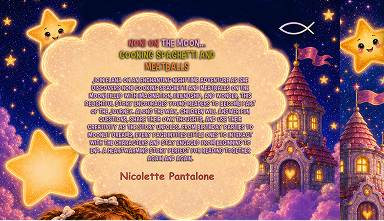
My hope is that every child who reads Noni On the Moon: Cooking Spaghetti & Meatballs feels the warmth of family, the comfort of friendship, and the joy that comes from sharing special moments with the people we love. If the story encourages even one child to hug a grandparent a little tighter, appreciate a friend a little more, or create a new family story of their own, then it has done exactly what I hoped it would do. After all, some of life’s most important lessons are found not in classrooms, but in the stories we share together.